Amazon How To Check Stow Rate
M
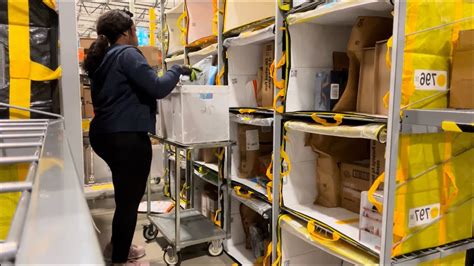
Amazon How To Check Stow Rate Amazon Stow Rate A Comprehensive Guide to Optimizing Your FBA Inventory Amazons fulfillment by Amazon FBA program is a powerful tool for sellers but understanding and optimizing your stow rate is crucial for success This detailed guide will delve into the intricacies of stow rate explaining what it is how its calculated and most importantly how you can proactively improve it What is Stow Rate on Amazon FBA Your Amazon stow rate reflects the percentage of your inbound inventory that successfully gets stored in Amazons fulfillment centers A high stow rate ideally above 95 signifies smooth and efficient inventory handling A low stow rate conversely points to potential issues that can impact order fulfillment times potentially leading to customer dissatisfaction and lost sales How is Stow Rate Calculated Amazon calculates stow rate based on the ratio of successfully stowed items to the total number of items shipped to their fulfillment centers Its a metric tracked by Amazon and provided through their seller central dashboard though the precise formula isnt publicly disclosed Key factors impacting the calculation include Item condition Damaged incomplete or otherwise unsuitable items are less likely to be stowed Packaging Incorrect or inadequate packaging can hinder proper storage and contribute to a lower stow rate Inventory verification Discrepancies between the declared and actual inventory are problematic and lead to issues in stow rates Shipping and handling procedures Efficient handling from you the seller is critical Analyzing Your Stow Rate Data Regularly reviewing your stow rate data is essential Look for trends Are there particular product categories or SKUs consistently causing issues This analysis allows for focused interventions 2 Practical Tips to Boost Your Amazon Stow Rate 1 Robust Inventory Preparation Inspect your items thoroughly before sending them to Amazon Ensure proper packaging using the correct boxes and materials This minimizes damage and ensures the items are ready for immediate storage 2 Strict Quality Control Implement a stringent quality control process to identify and discard any damaged defective or incorrect items before shipping 3 Accurate Inventory Listing Ensure your inventory listings on Amazon precisely reflect the actual product condition Detailed descriptions and accurate photos are vital 4 Standardized Packaging Employ consistent packaging materials and procedures for all your shipments Consider using Amazons recommended packaging 5 Proactive Communication If issues arise with a specific product promptly communicate with Amazon customer service to understand and address the underlying problem 6 Detailed Labels Use clear legible labels including necessary information like the Amazon order number and relevant product details 7 Effective Labeling Practices Utilize consistent and accurate labels that include all necessary information 8 Proficient Use of Shipping Tools Utilize Amazons FBA shipping tools and follow best practices for efficiently preparing shipments Beyond the Basics Advanced Strategies Item Specific Optimization If specific SKUs repeatedly generate stow issues analyze the packaging and inventory preparation process for that item Is it oversized irregularly shaped or particularly fragile Early Detection Utilize Amazons reporting tools to identify potential problems early on and address them before they impact stow rate Supplier Collaboration if applicable If your products are outsourced ensure your supplier shares your standards for inventory handling and packaging to minimize discrepancies and maximize stow rate ThoughtProvoking Conclusion A high Amazon stow rate isnt just about numbers its about demonstrating your commitment to quality fulfillment By focusing on careful preparation meticulous packaging 3 and proactive communication you can significantly improve your stow rate which ultimately translates to smoother operations happier customers and a more profitable FBA business Frequently Asked Questions FAQs 1 Whats the ideal stow rate to aim for While a rate above 95 is generally excellent dont get overly stressed about the exact number Focus on consistent improvement and addressing underlying issues 2 How often should I check my stow rate Regularly monitor your stow rate weekly or bi weekly to catch any emerging trends 3 What should I do if my stow rate is consistently low Investigate the root cause Look for productspecific issues packaging errors or process inefficiencies 4 Can I appeal a low stow rate While appeals are possible they are rarely effective Focus on proactively addressing the underlying problems 5 Does stow rate affect my Amazon ranking While not a direct ranking factor a low stow rate can indirectly impact your ranking through issues with order fulfillment and customer satisfaction By implementing these strategies you can optimize your FBA inventory handling and elevate your chances of success on Amazon Remember consistent effort and a commitment to quality are key to maximizing your stow rate and ensuring a positive seller experience Amazon Stow Rate A Comprehensive Guide for Sellers Selling on Amazon is a dynamic landscape and understanding key performance indicators KPIs is crucial for success One such metric is the stow rate which essentially measures how efficiently your inventory is being stored and processed by Amazon A high stow rate signifies that your products are being handled and placed in the appropriate locations quickly and accurately which can lead to better order fulfillment and potentially a more positive seller experience This article dives deep into understanding Amazons stow rate how to check it and the factors impacting it Understanding Amazons Stow Rate What is a Stow Rate 4 The stow rate in the context of Amazon fulfillment reflects the percentage of items that are successfully placed in designated storage locations within Amazons fulfillment network A successful stow means the item is properly scanned tagged and ready for fulfillment A low stow rate often points to issues with the labeling process potentially leading to delays and negatively impacting order accuracy and fulfillment speed Why is the Stow Rate Important A high stow rate is vital for several reasons Improved Order Fulfillment Efficient stowing leads to quicker order picking and packing reducing fulfillment time Reduced Potential Errors Accurate stowing minimizes the chances of misplaced items facilitating faster order processing Positive Seller Performance A strong stow rate positively contributes to a sellers overall performance rating impacting customer satisfaction Cost Optimization Minimizing errors and streamlining processes through optimal stowing can lead to cost savings in the long run How to Check Your Amazon Stow Rate Unfortunately Amazon doesnt directly publish a single stow rate metric for individual sellers Instead the information is embedded within various reports and tools available through the Amazon Seller Central dashboard Seller Performance Reports Access the seller performance section within Seller Central Specific metrics relating to inventory processing and handling are often included in various reports Order Processing Details Explore individual order details to gain insight into how quickly items were processed and stored Inventory Health Reports Review inventory health reports These can provide an overall view of inventory issues including stowing and will likely include data about the time taken for inventory to be ready to ship Amazons FBA Performance Dashboards Seller Central dashboards contain realtime updates providing a visual representation of order processing including stowing Factors Affecting Stow Rates Numerous factors influence stow rates A few key elements include Label Accuracy Incorrect or incomplete labels result in delayed or incorrect placement of 5 inventory Inventory Condition Damaged or improperly packaged products can hinder accurate stowing Inventory Management Effective inventory management including timely and accurate inbound shipments is crucial Inbound Ship Processing Accuracy Errors in initial scanning and processing during the inbound shipment process Amazon System Performance Amazons own system efficiency can sometimes affect stow rates Case Study Example Comparing Seller Stowing Times Insert a hypothetical table or chart comparing stow rates across different sellers highlighting the impact of various factors like inventory condition and label accuracy For instance one seller may have a high stow rate due to excellent packaging while another may have a low stow rate with frequent damage issues Improving Your Amazon Stow Rate Labeling Accuracy Implement robust labeling procedures to ensure items are correctly labeled and scanned Inventory Conditioning Utilize proper packaging to prevent damage during transit and storage Inventory Organization Optimize inventory workflows and procedures for smooth processing Communication Maintain clear communication with Amazons fulfillment team Continuous Monitoring Regularly track your stow rates and identify areas for improvement Closing Insights While a precise stow rate isnt readily available paying attention to the related metrics like order fulfillment times inventory processing details and inventory health provides valuable insight Focus on optimizing processes addressing any issues and maintaining a strong performance history This approach will inherently improve your stow rate potentially leading to a positive impact on Amazon seller performance Expert FAQs 1 Q Can I directly request an update on my stow rate from Amazon A Unfortunately there isnt a direct metric for stow rate Amazon focuses on the overall fulfillment process not a specific stow rate number for individual sellers 2 Q Whats the ideal stow rate percentage 6 A Theres no universally accepted ideal stow rate percentage Instead focus on improving your performance and proactively resolving any inventory or fulfillment issues 3 Q How can I determine the root cause of a low stow rate A Review your performance reports order processing details and inventory health reports for patterns and potential causes 4 Q Is there a way to predict stow rate issues in advance A Regular monitoring of inventory health communication with Amazon and proactive issue identification are key to mitigating stowing problems 5 Q How does packaging affect the stow rate A Proper packaging and product condition directly impact the accuracy and speed of the stowing process Damage during transit hinders proper stowing and can result in a lower stow rate